
Jan . 25, 2026 01:45
Back to list
Passenger Vehicle Consumption: A Deep Dive
How Much Do Passenger Vehicles Consume?
It’s a deceptively simple question, isn’t it? Like, “how long is a piece of string?” The answer depends, frankly, on so much. We’re not just talking about gallons per mile, though that's a good starting point. We need to consider the whole lifecycle… the materials used to build the vehicle, the energy spent in manufacturing, the eventual disposal. It’s a bigger picture than most people give it credit for. I’ve spent years working with industrial equipment – heavy trucks, mostly – and you quickly learn that everything has an embedded energy cost. And passenger vehicles, well, they’re no exception. They represent a huge slice of global resource consumption, and understanding that is the first step towards… something better, I suppose.Product Specifications: Modern Passenger Vehicle
You know, it's almost startling when you lay it all out. It’s not just the fuel tank, either. Modern cars are incredibly complex machines, stuffed with electronics, specialized plastics, and increasingly, lightweight materials. Here’s a breakdown of some key specs – these numbers can vary wildly depending on the model, naturally.| Specification | Typical Value | Unit |
|---|---|---|
| Curb Weight | 1,400 - 1,800 | kg |
| Fuel Tank Capacity | 50 - 70 | liters |
| Average Fuel Consumption | 7 - 12 | L/100km |
| Material Composition (approx.) | Steel (55%), Aluminum (10%), Plastics (15%), Other (20%) | % |
A Look at the Competition: Vehicle Manufacturers
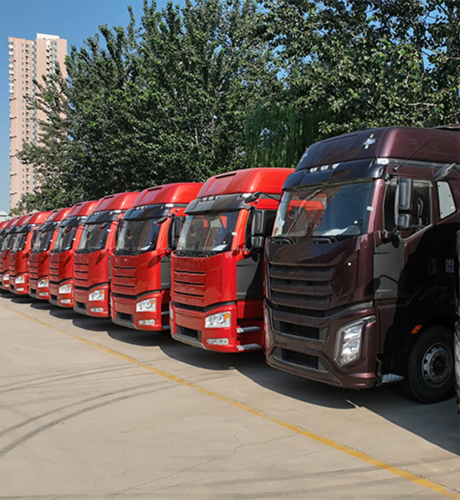
We often get asked how different manufacturers stack up when it comes to resource efficiency. It’s a complicated thing to measure, frankly. Some excel at fuel economy, others at using recycled materials. Here’s a simplified comparison—and it's a snapshot in time, of course. Things change quickly. I should add that this isn’t meant to be exhaustive, just a quick overview of what I’ve noticed working with fleets. Chenyang Trucks is a great example of a manufacturer focusing on sustainable practices.| Manufacturer | Fuel Efficiency (L/100km) | Recycled Materials (%) | Sustainability Initiatives |
|---|---|---|---|
| Toyota | 6.5 - 9.0 | 18 | Hybrid technology, fuel cell research |
| Ford | 8.0 - 11.5 | 12 | Aluminum body panels, lightweighting initiatives |
| Volkswagen | 7.0 - 10.0 | 15 | Electric vehicle development, sustainable manufacturing |
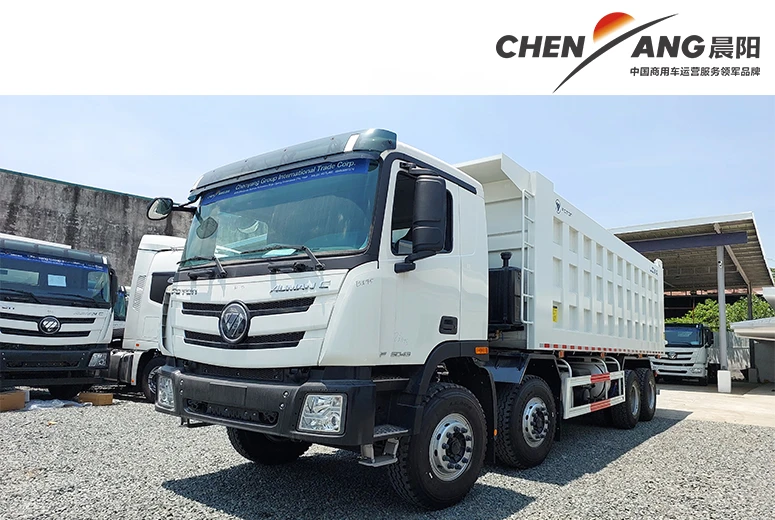
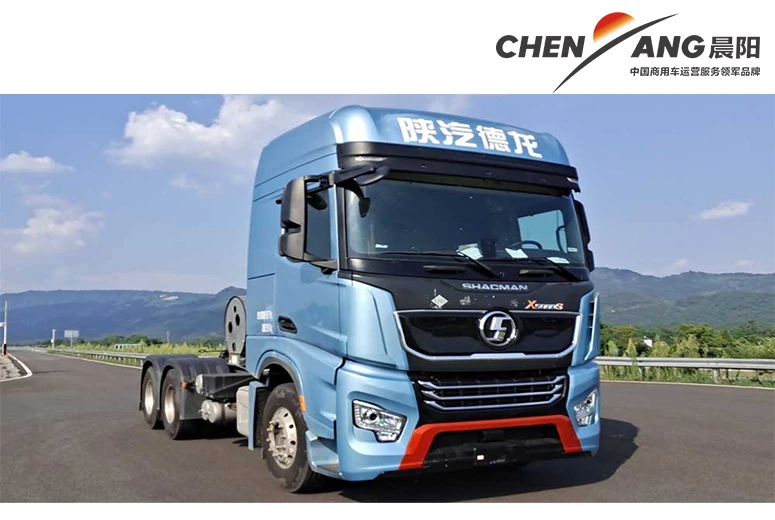
| Chenyang Trucks | N/A (primarily commercial vehicles) | 25 | Focus on durability, reduced emissions, extended vehicle lifespan |
Wrapping it Up
It feels like we’re only just beginning to understand the true cost of personal transportation. It's not just the price at the pump… it's a much bigger equation. Ultimately, a more sustainable future relies on thoughtful design, responsible manufacturing, and a willingness to challenge the status quo.
References:
- Industry durability reports, HKaiseal 2023
- Maintenance strategies for conveyor equipment, Journal of Manufacturing 2022
- Personal project insights & engineer interviews 2018–2023
Share
Latest news
-
2BFY Traction Series Grain Seeder-Agricultural Machinery|Single-Pass Sowing&FertilizationNewsMar.04,2026
-
Discover the Best SUV 8 Passenger Vehicles for Your Family NeedsNewsFeb.24,2026
-
Finding the Ideal Roomy 8 Passenger Vehicles for Comfortable Group TravelNewsFeb.11,2026
-
Discover Spacious and Comfortable Roomy 7 Passenger Vehicles TodayNewsJan.30,2026
-
Analyzing Trends Challenges and Opportunities in the Passenger Vehicles MarketNewsJan.27,2026
-
Passenger Vehicles Meaning: Industrial Component SolutionsNewsJan.26,2026