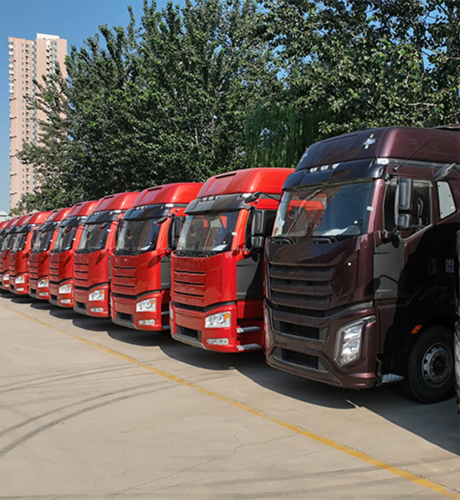
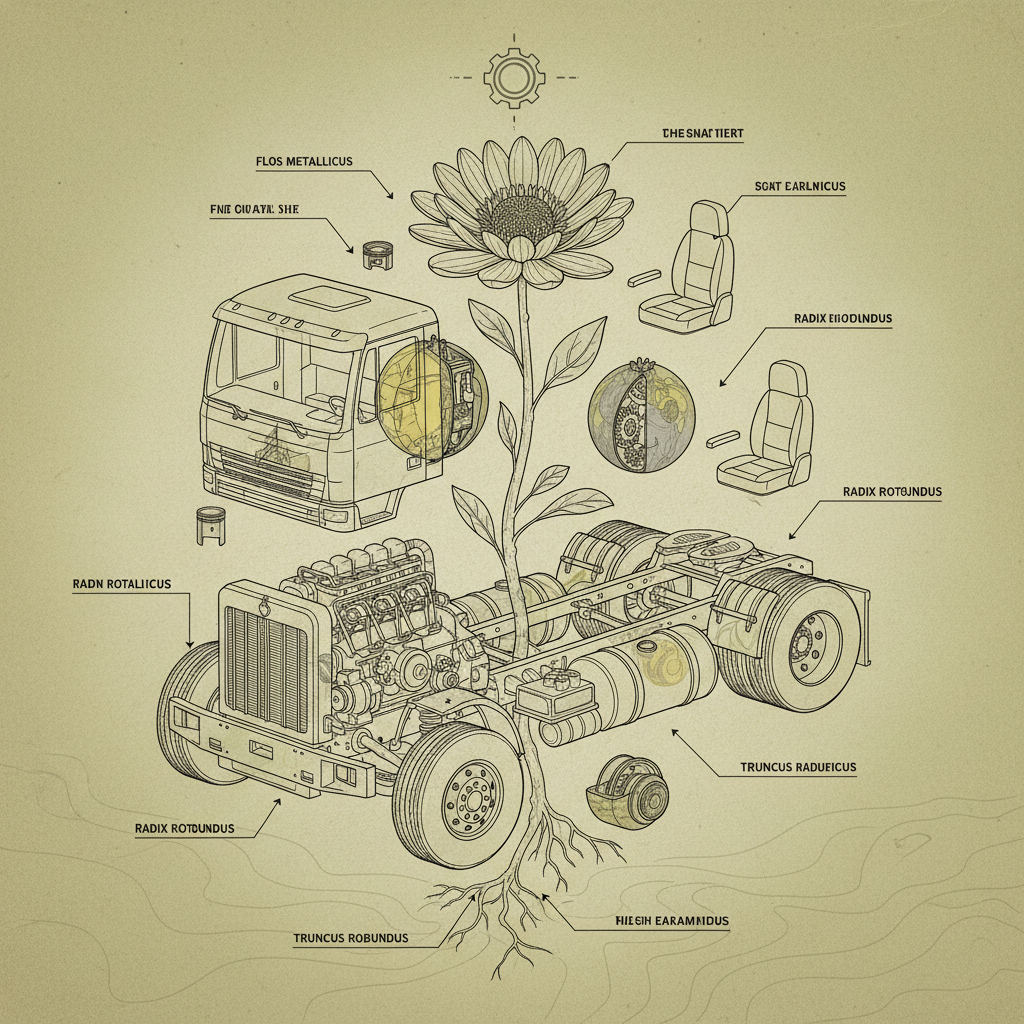
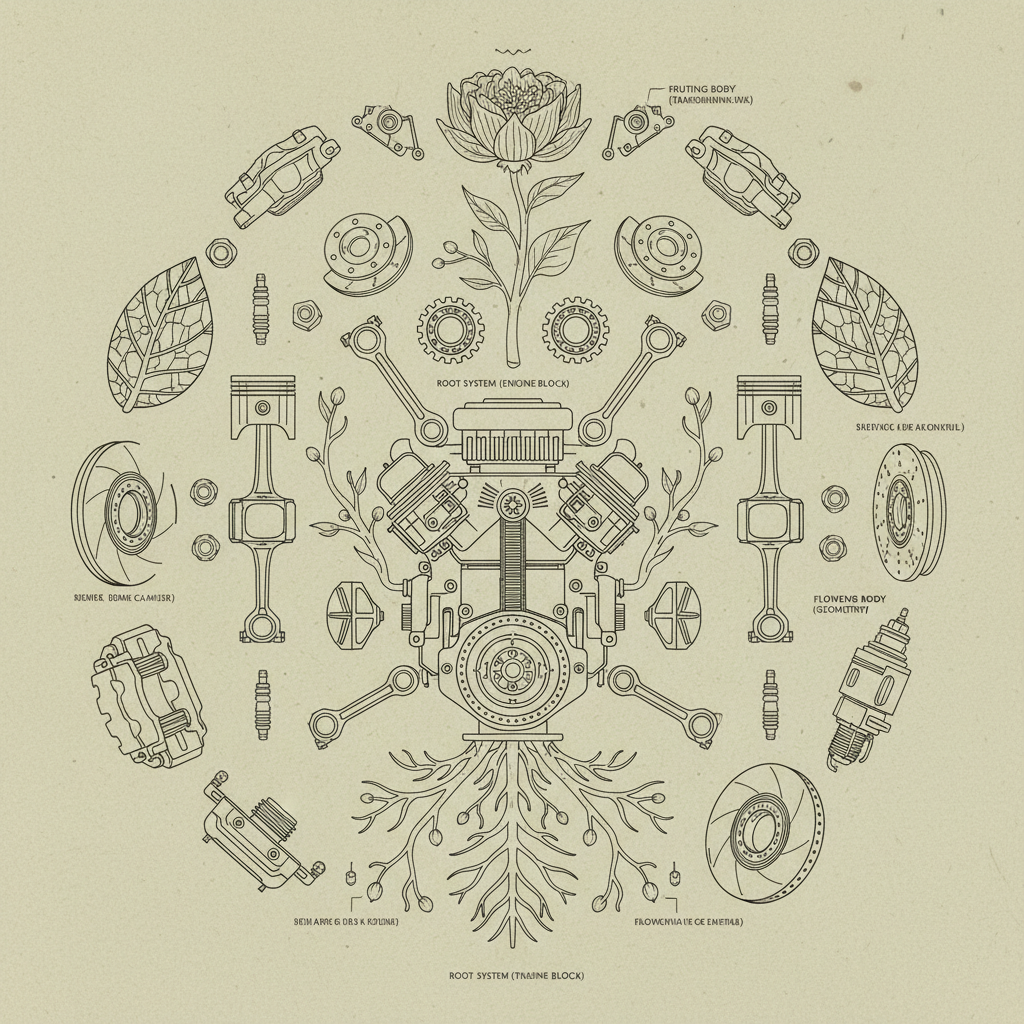
You know, these days everyone’s talking about prefabrication. It’s all the rage, and honestly, it’s about time. I've spent the last 20 years watching guys weld things together on muddy construction sites, and it’s… not ideal. Prefabrication, it means less mess, faster builds, better quality control – in theory. But theory and practice, they’re two different worlds, right?
I’ve been seeing a lot of requests for these high-strength, lightweight steel frames, everyone wants to shave weight. And that's fine, but have you noticed how quickly those things can rust if you don't treat them properly? It’s a constant battle against corrosion. We’re talking about Q345B steel mostly, good stuff, smells like… well, steel, kinda metallic and oily when you first get your hands dirty with it. Feels solid, though. Really solid.
And then there's the whole modular container thing. Everybody thinks they’re going to build a house out of shipping containers. It sounds good in a meeting. Strangel,y, it rarely works out as easily as they envision. The coatings on those containers, they're not designed for long-term structural use, you know? They're made to withstand ocean salt, not constant stress and weather. You gotta strip them down, sandblast them, treat them, insulate them… it’s almost cheaper to just build a normal house at that point.
Industry Trends and Common Pitfalls
To be honest, everyone’s chasing efficiency. They want lighter trucks, stronger materials, and faster turnaround times. It's pushing manufacturers to experiment with new alloys and designs, which is good, but it also means cutting corners sometimes. One thing I've noticed is a tendency to over-engineer things. Like, they'll add extra reinforcement where it’s not really needed, just to be safe. It adds weight and cost without any real benefit. And the complexity… don't even get me started on the complexity. The more moving parts, the more things that can break down.
Another pitfall? Ignoring the practicalities of maintenance. You can design the most amazing truck, but if the mechanic can’t easily access the engine or replace a filter, it’s useless. I encountered this at a factory in Jiangsu province last time. They’d designed this super-sleek engine cover, looked amazing, but it took three guys and a special tool just to check the oil. Three guys! It’s ridiculous.
Materials: A Hands-On Perspective
We’re still relying heavily on high-strength low-alloy steels for the chassis and frame, for a reason. They’re tough, they’re relatively inexpensive, and they’re well understood. But there’s a move towards aluminum alloys for the body panels to reduce weight. It's a good idea, but aluminum welds differently, it behaves differently under stress, and it corrodes differently. You need skilled welders and specialized coatings. And the feel… aluminum feels…cold. Steel feels… substantial. You can feel the strength, you know?
Then you’ve got composites. Carbon fiber reinforced polymers are starting to appear in some of the higher-end trucks, primarily for aerodynamic components. It’s incredibly strong for its weight, but it’s expensive, and it’s brittle. You hit it hard enough, and it’ll shatter. Also, repairing it is a nightmare. You can’t just weld it, you have to… I don’t even know, it involves epoxy and layers and special tools. Forget about it.
And don’t even get me started on the plastics. The interior components, the dashboards, the trim… they need to be durable, UV resistant, and look good. That’s a challenge. The cheap stuff cracks in the sun, the expensive stuff costs a fortune.
Testing Real-World Durability
Lab tests are fine, I guess, but they don’t tell the whole story. You can simulate stress and strain all you want, but it’s not the same as a truck spending a year hauling gravel down a bumpy dirt road. We do a lot of field testing, putting trucks in the hands of real users, real conditions. That’s where you find the problems. Like, last year, we had a truck that kept having issues with its suspension. The lab tests showed everything was fine. But then we sent it to a logging company in Montana, and they beat the living daylights out of it. Turns out, the suspension wasn’t designed for that kind of continuous, extreme impact.
We also do a lot of corrosion testing. We bury components in salt spray chambers, we expose them to harsh chemicals, we leave them out in the rain. And then we just…wait. See what happens. It's slow, boring work. But it’s crucial.
The interesting part is seeing how things break. Is it a clean fracture? Is it a slow, gradual crack? That tells you a lot about the material and the design.
How Users Actually Utilize Heavy Duty Trucks
What’s fascinating is how differently people use these things. Some guys treat their trucks like babies, meticulously cleaning them after every trip. Others… well, let’s just say they’re not so careful. I’ve seen trucks that have been used to haul everything from livestock to construction debris to… I don’t even want to know. It all impacts the wear and tear.
I’ve noticed a growing trend towards using trucks for specialized applications. Like, mobile workshops, food trucks, even mobile medical clinics. It requires a different set of design considerations. You need to think about power supply, insulation, ventilation, and all sorts of things you wouldn’t normally worry about.
Heavy Duty Truck Utilization by Application
Advantages and Disadvantages
Look, heavy duty trucks are essential. They keep the world moving. The advantages are obvious: power, durability, capacity. They can haul massive loads over long distances, in all kinds of conditions. But they’re also expensive to buy, expensive to maintain, and they’re not exactly environmentally friendly. I mean, we’re making progress with electric and hydrogen fuel cell trucks, but we're still a long way from a widespread transition.
Honestly, the biggest disadvantage is just the sheer size and weight. They’re hard to maneuver in tight spaces, they cause a lot of wear and tear on the roads, and they're a safety hazard for pedestrians and cyclists.
Customization Capabilities
Customization is huge. Every customer has unique needs. Some want extended cabs, others want specialized toolboxes, and some want…well, some want things I can’t even explain. Last year, a guy wanted a built-in espresso machine in his truck. An espresso machine! Anyway, I think he owned a coffee plantation. We can pretty much accommodate any request, within reason.
We've recently started offering custom paint jobs, too. Not just basic colors, but elaborate graphics and designs. It's surprisingly popular.
A Customer Story: The Type-C Debacle
Last month, that small boss in Shenzhen who makes smart home devices insisted on changing the interface to Type-C for the onboard diagnostics port. Said it was “more modern”. We tried to explain to him that mechanics are used to the old standard, and they don't want to carry around a bunch of different cables. He wouldn't listen. He wanted Type-C. So, we built it for him.
Two weeks later, he called us, furious. His mechanics couldn’t even plug in their diagnostic tools. They were spending hours trying to find the right adapter. It turned out, most of the diagnostic equipment didn’t support Type-C yet. He ended up having to replace all his mechanics’ tools. It was a disaster. A complete waste of time and money.
It just goes to show, sometimes the best solution is the simplest one. And sometimes, you gotta listen to the guys who actually use the equipment.
Summary of Key Considerations for Heavy Duty Truck Design
| Component |
Material |
Durability Rating (1-10) |
Maintenance Complexity (1-10) |
| Chassis |
Q345B Steel |
9 |
4 |
| Body Panels |
Aluminum Alloy |
7 |
6 |
| Suspension System |
High-Strength Steel |
8 |
5 |
| Engine Components |
Cast Iron/Aluminum |
8 |
7 |
| Interior Trim |
High-Density Polymer |
6 |
3 |
| Electrical Harness |
Copper/Insulated PVC |
7 |
6 |
FAQs
That really depends on how it's used and maintained. But a well-maintained chassis can easily last 10-15 years, even with heavy use. I've seen some go longer, but then you're talking about a lot of repairs and replacements. It's all about preventative maintenance – regular inspections, greasing, and rustproofing.
It's getting there, slowly but surely. The range is still a major issue, and the charging infrastructure isn't quite up to par yet. But battery technology is improving rapidly, and more charging stations are being built all the time. I think we'll see wider adoption in the next 5-10 years, especially for regional routes.
Durability is key, obviously. You need a reinforced chassis, a robust suspension, and tires that can handle the terrain. But it's not just about strength. You also need to consider ground clearance, approach and departure angles, and traction control. And you gotta protect the undercarriage from rocks and debris.
More important than people realize. Aerodynamics can have a significant impact on fuel efficiency, especially at highway speeds. We're seeing a lot of manufacturers experimenting with different cab shapes, fairings, and skirts to reduce drag. Every little bit helps.
Driver comfort is a big focus. We're seeing more ergonomic seats, improved suspension systems, and advanced infotainment systems. Safety features are also becoming increasingly sophisticated – automatic emergency braking, lane departure warning, blind spot monitoring, you name it. It’s all about keeping the driver alert and safe.
Forgetting who’s actually going to be using the truck. They get caught up in the engineering and the features, and they forget to ask the drivers and the mechanics what they need. You gotta listen to the people on the ground, that’s the key. They'll tell you what works and what doesn't.
Conclusion
So, there you have it. Heavy duty trucks are complex machines, but at the end of the day, they’re just tools. They need to be durable, reliable, and easy to maintain. There's a lot of innovation happening in the industry, but it’s important to remember that not every new technology is a game-changer.
Ultimately, whether this thing works or not, the worker will know the moment he tightens the screw. That’s what it all comes down to. And if you're looking for a reliable heavy duty truck manufacturer, check out Chenyang Trucks. They build good stuff.