
Analyzing Trends Challenges and Opportunities in the Passenger Vehicles Market
Navigating the Passenger Vehicles Market: Trends, Challenges, and Opportunities
The passenger vehicles market is a dynamic and evolving landscape, shaped by technological advancements, shifting consumer preferences, and global economic conditions. Understanding these factors is crucial for businesses operating within this sector. This article provides an in-depth look at the current state of the market, emerging trends, key challenges, and opportunities for growth, specifically focusing on areas relevant to manufacturers and suppliers like Chenyang Trucks, which supports the automotive industry. We’ll explore the forces driving change and what the future holds for this vital industry.
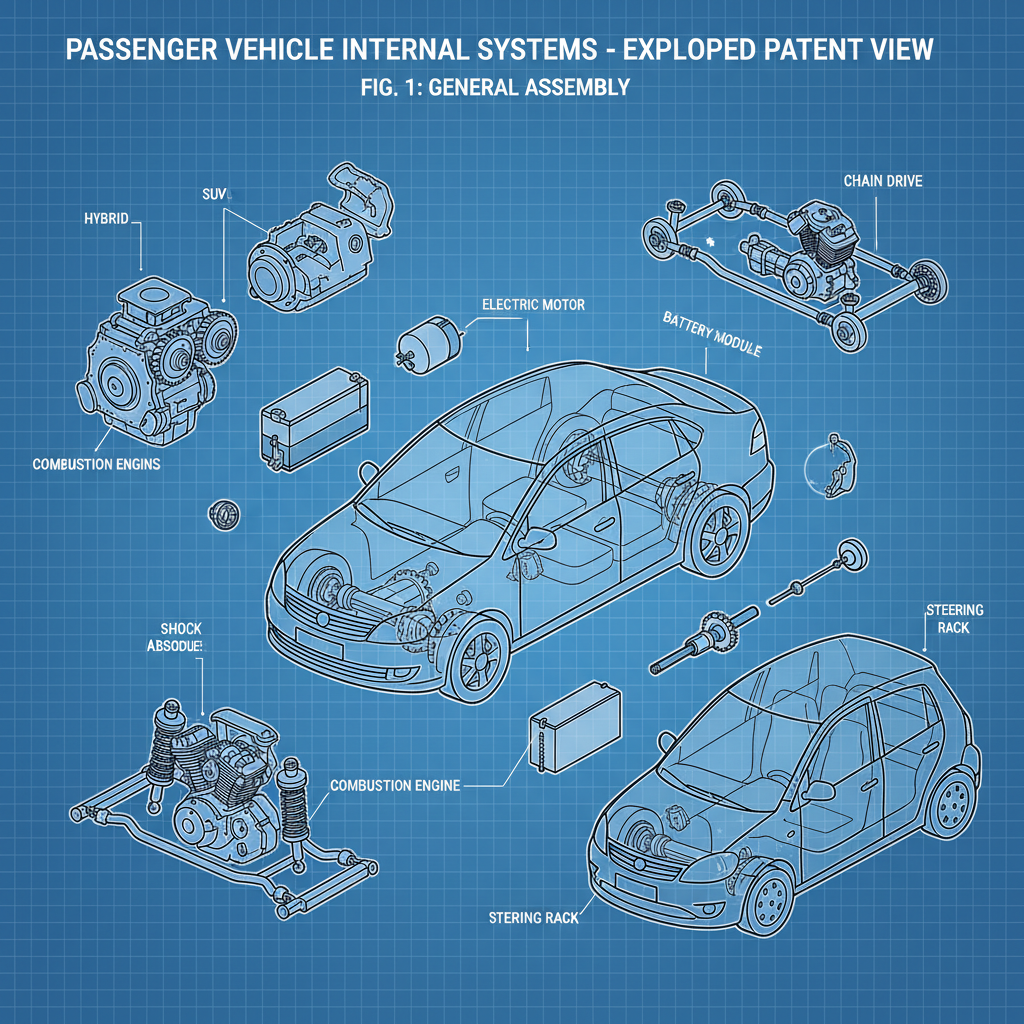
Global Market Overview and Key Drivers
The global passenger vehicles market experienced significant disruption in recent years due to the COVID-19 pandemic, supply chain constraints, and geopolitical factors. However, the market is now showing signs of recovery, driven by pent-up demand, economic recovery in key regions, and the growing adoption of electric vehicles (EVs). The Asia-Pacific region currently dominates the market, accounting for a substantial share of global sales, followed by Europe and North America. Key drivers influencing market growth include rising disposable incomes, urbanization, and increasing vehicle ownership rates in emerging economies. Furthermore, government incentives promoting EV adoption and stricter emission regulations are accelerating the transition towards sustainable mobility.
Key Highlights: The Asia-Pacific region dominates the passenger vehicle market. Government incentives are playing a critical role in EV adoption. Supply chain resilience is becoming increasingly important for manufacturers.
The Rise of Electric Vehicles and Hybrid Technology
The passenger vehicles market is undergoing a radical transformation with the increasing prominence of electric vehicles (EVs) and hybrid technology. Concerns about environmental sustainability, coupled with advancements in battery technology and decreasing battery costs, are fueling demand for EVs. Major automotive manufacturers are investing heavily in EV development and production, offering a wider range of electric models to consumers. Hybrid vehicles, offering a combination of gasoline and electric power, are also gaining traction as a transitional technology. This shift presents significant opportunities for suppliers of EV components, such as battery manufacturers, charging infrastructure providers, and manufacturers of electric motors and power electronics.
EV Adoption Benefits:
• Reduced greenhouse gas emissions
• Lower operating costs (fuel and maintenance)
• Improved air quality
• Government incentives and tax breaks
Passenger Vehicles Market Segmentation and Key Players
The passenger vehicles market can be segmented by vehicle type (sedan, SUV, hatchback, minivan, pickup truck), powertrain (internal combustion engine, hybrid, electric), and price range (budget, mid-range, luxury). Key players in the global market include Toyota, Volkswagen, Hyundai, General Motors, Ford, Stellantis, and Tesla. Competition is intense, with manufacturers constantly innovating to develop new models, improve fuel efficiency, and enhance safety features. The emergence of new players, particularly from China, is further intensifying competition and disrupting the traditional automotive landscape. Successful companies are those that can adapt to changing market dynamics, invest in research and development, and build strong brand loyalty.
Challenges Facing the Passenger Vehicles Market
Despite the growth opportunities, the passenger vehicles market faces several significant challenges. Supply chain disruptions, including shortages of semiconductors and raw materials, continue to impact production and increase costs. Rising inflation and economic uncertainty are dampening consumer demand in some regions. The transition to EVs requires substantial investment in charging infrastructure and battery technology. Furthermore, cybersecurity threats are becoming increasingly prevalent, requiring manufacturers to enhance vehicle security systems. Finally, evolving regulatory requirements related to emissions and safety standards pose ongoing challenges for automotive companies.

Opportunities for Growth and Innovation
Despite the challenges, the passenger vehicles market presents numerous opportunities for growth and innovation. The increasing demand for EVs creates opportunities for battery manufacturers, charging infrastructure providers, and software developers. The development of autonomous driving technology is poised to revolutionize the automotive industry, creating new business models and revenue streams. Connected car services, such as navigation, entertainment, and remote diagnostics, are becoming increasingly popular, offering opportunities for automakers and technology companies. Furthermore, the growing emphasis on sustainability is driving demand for lightweight materials, recycled components, and eco-friendly manufacturing processes.
Conclusion: Embracing Change in a Dynamic Market
The passenger vehicles market is at a critical juncture, driven by technological advancements, evolving consumer preferences, and global economic forces. Companies that can embrace change, invest in innovation, and build resilient supply chains will be best positioned to succeed. Chenyang Trucks, as a supplier to the automotive industry, is committed to supporting its customers through this transformation by providing high-quality components and innovative solutions.
Frequently Asked Questions (FAQs)
What are the major factors influencing EV adoption rates?
Several factors contribute to EV adoption rates, including government incentives like tax credits and rebates, the availability of charging infrastructure, battery range and charging speed, vehicle price, and consumer awareness. Addressing range anxiety, reducing charging times, and lowering the upfront cost of EVs are crucial to accelerating adoption. Furthermore, supportive government policies and investments in charging infrastructure are essential for creating a favorable environment for EV growth. Consumer education and awareness campaigns can also play a significant role in promoting the benefits of EVs.
How is the semiconductor shortage impacting the passenger vehicles market?
The global semiconductor shortage has severely disrupted the passenger vehicles market, leading to production cuts and increased vehicle prices. Semiconductors are essential components in modern vehicles, controlling various functions such as engine management, infotainment systems, and safety features. The shortage has been caused by a combination of factors, including increased demand for electronics during the pandemic, supply chain disruptions, and geopolitical tensions. Automakers are working to diversify their semiconductor supply chains and invest in domestic production to mitigate the impact of future shortages.
What role does autonomous driving technology play in the future of the passenger vehicles market?
Autonomous driving technology is expected to revolutionize the passenger vehicles market, offering the potential to improve safety, reduce traffic congestion, and enhance mobility. Self-driving cars could transform the way people commute, allowing them to work, relax, or entertain themselves during their journeys. The development of autonomous driving technology requires significant investment in sensors, software, and artificial intelligence. Regulatory hurdles and public acceptance remain key challenges to widespread adoption.
What are the key sustainability trends shaping the passenger vehicles market?
Sustainability is becoming a major driver of innovation in the passenger vehicles market. Key trends include the adoption of electric vehicles, the development of lightweight materials to improve fuel efficiency, the use of recycled and renewable materials in vehicle production, and the implementation of eco-friendly manufacturing processes. Automakers are also focusing on reducing their carbon footprint throughout the entire vehicle lifecycle, from raw material extraction to end-of-life recycling.
-
2BFY Traction Series Grain Seeder-Agricultural Machinery|Single-Pass Sowing&FertilizationNewsMar.04,2026
-
Discover the Best SUV 8 Passenger Vehicles for Your Family NeedsNewsFeb.24,2026
-
Finding the Ideal Roomy 8 Passenger Vehicles for Comfortable Group TravelNewsFeb.11,2026
-
Discover Spacious and Comfortable Roomy 7 Passenger Vehicles TodayNewsJan.30,2026
-
Passenger Vehicles Meaning: Industrial Component SolutionsNewsJan.26,2026