
8 Seater EV for Family Reunions
Family reunions require transportation solutions that combine spaciousness, comfort, and environmental consciousness, making electric vehicles an ideal choice for modern families. The evolution of electric vehicle technology has produced models that accommodate various family sizes and needs while providing sustainable transportation options. This guide explores the growing market for 8 seater ev vehicles, examines the versatility of 7 seat electric suv models, and acknowledges the role of smaller options like 2 passenger electric car in family transportation ecosystems. Understanding these options helps families make informed decisions that balance passenger capacity, range requirements, and environmental considerations for their gathering and travel needs.
The growing demand for 8 seater ev vehicles
The market for 8 seater ev vehicles has expanded significantly to meet the needs of large families and group transportation requirements. These vehicles offer the space and capability needed for family reunions while providing the benefits of electric propulsion.
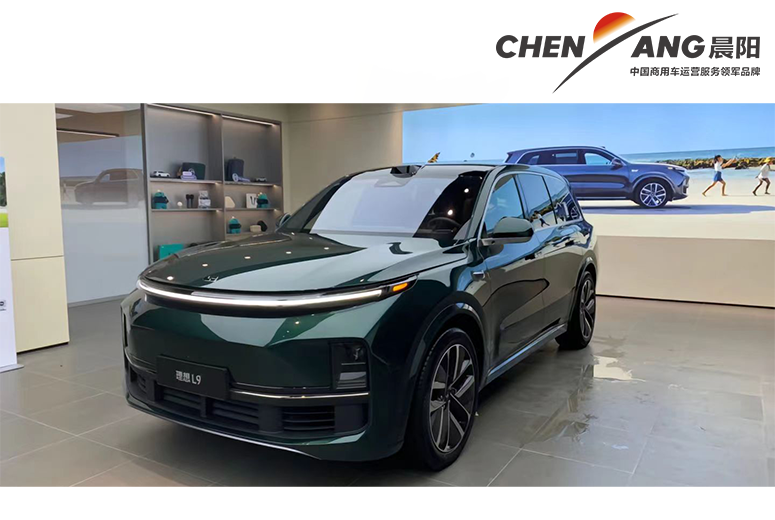
- Spacious Interior Design:Modern 8 seater ev models feature innovative interior designs that maximize passenger comfort and space utilization. These vehicles typically offer three rows of seating with generous legroom and headroom in all positions. The electric platform allows for more flexible interior packaging compared to traditional vehicles, often providing better space efficiency and more comfortable seating arrangements for all eight passengers. The absence of transmission tunnels and compact electric drivetrains creates flat floors and additional storage spaces.
- Range and Charging Considerations: 8 seater ev vehicles are designed with battery systems capable of supporting extended family trips. Most models offer ranges between 250-350 miles on a single charge, sufficient for most regional family reunion travel. The charging infrastructure has improved significantly, with many models supporting DC fast charging that can add substantial range in 30 minutes or less. Families should consider the availability of charging stations at reunion locations and along planned travel routes when selecting an 8 seater ev for family gatherings.
Versatility of 7 seat electric suv for family transportation
7 seat electric suv models offer an excellent balance of passenger capacity, driving dynamics, and efficiency for families that need slightly less seating than full-size eight-passenger vehicles.
- Flexible Seating Configurations: 7 seat electric suvmodels typically feature more flexible seating arrangements than their larger counterparts. Many offer second-row captain's chairs that provide easier access to the third row while offering superior comfort for adult passengers. The seating configurations can often be adjusted to prioritize passenger space or cargo capacity based on specific trip requirements. This flexibility makes 7 seat electric suv models ideal for families that need to transport both people and reunion supplies or gifts.
- Performance and Efficiency Balance: 7 seat electric suv vehicles generally offer better efficiency and performance characteristics than larger 8 seater ev models due to their slightly reduced size and weight. These models often feature dual-motor all-wheel drive systems that provide excellent traction in various weather conditions, making them suitable for family reunions in different locations and seasons. The efficiency advantages mean more range from the same battery size, reducing range anxiety during longer trips to reunion locations.
Complementary role of 2 passenger electric car in family mobility
While not designed for group transportation, 2 passenger electric car models play a valuable role in family mobility ecosystems, particularly for specific reunion-related transportation needs.
- Local Transportation Solution: 2 passenger electric carmodels serve as ideal solutions for local transportation during family reunions. They're perfect for quick trips to stores for supplies, transporting small groups to nearby activities, or providing mobility for family members who need to make separate side trips. Their compact size makes them easy to park at crowded reunion venues, and their efficiency minimizes transportation costs during multi-day family events.
- Range and Charging Advantages: Most 2 passenger electric car models offer sufficient range for local reunion activities while featuring simple charging requirements. Many can be charged using standard household outlets, eliminating the need for specialized charging equipment at reunion locations. Their efficiency makes them cost-effective for the numerous short trips that often occur during family gatherings, from airport pickups to restaurant visits.
7 Seat Electric SUV FAQS
Q: What makes a 7 Seat Electric SUV suitable for large families with young children?
A: A 7 Seat Electric SUV is ideal for families with young children due to its combination of space, safety, and practicality. Most models offer spacious third-row seating (even for older kids) and ample cargo room for strollers, car seats, and luggage—critical for family outings. They also come with family-friendly safety features like rear-seat reminder systems (to prevent leaving kids or pets behind), child seat anchor points (LATCH), and advanced driver-assist tools (adaptive cruise control, lane-keep assist) that reduce fatigue during long trips. Additionally, electric powertrains mean quiet rides (less stressful for kids) and lower maintenance costs (saving families money on oil changes and engine repairs).
Q: Are there 2 Passenger Electric Car models that work well for city dwellers with limited parking space?
A: Yes, 2 Passenger Electric Car models are excellent for city dwellers struggling with parking. Their compact size (often under 12 feet long) makes them easy to fit into tight parallel parking spots or small garage spaces—something larger EVs can’t match. Popular options like the Smart EQ ForTwo or Mini Electric Hardtop 2 Door are designed for urban use, with short turning radii for navigating busy streets. Many also have foldable seats or small cargo areas for groceries or backpacks, balancing practicality with size. Plus, their electric powertrains mean lower operating costs (cheaper to charge than refueling gas cars) and zero tailpipe emissions, aligning with city sustainability goals.
Q: How does the range of an 8 Seater EV compare to smaller EVs, and does it affect long-distance travel?
A: The range of an 8 Seater EV is typically slightly lower than smaller EVs (like sedans or compact SUVs) due to its larger size, heavier weight, and higher energy demand from powering more seats and features. Most 8 Seater EV models (e.g., Tesla Model X, Mercedes-Benz EQS SUV 8-Seater) offer a range of 250–350 miles per charge, while smaller EVs often reach 300–400 miles. However, this still works for long-distance travel with planning: many 8 Seater EVs support fast charging (adding 100+ miles in 15–20 minutes at a DC fast charger), and most highway routes now have charging networks. For families or groups, the tradeoff of slightly less range is worth the extra seating and cargo space for trips like vacations or road trips.
Q: Can a 7 Seat Electric SUV tow trailers, boats, or other recreational equipment?
A: Yes, many 7 Seat Electric SUV models are capable of towing, though towing capacity varies by brand and model. For example, the Tesla Model X can tow up to 5,000 pounds (enough for small boats, pop-up campers, or utility trailers), while the Ford Mustang Mach-E SUV (7-seat configurations available) tows up to 3,300 pounds. It’s important to note that towing reduces the SUV’s electric range—typically by 20–40%, depending on the weight of the load and driving conditions. To mitigate this, look for models with towing packages that include trailer sway control and enhanced cooling for the battery (to maintain performance). Always check the manufacturer’s towing guidelines to avoid damaging the vehicle.
Q: What are the key factors to consider when choosing between a 2 Passenger Electric Car and a larger EV like an 8 Seater EV?
A: Choosing between a 2 Passenger Electric Car and an 8 Seater EV depends on three main factors: usage, space needs, and budget. If you’re a solo commuter or couple who only drives in the city (short trips, limited parking), a 2 Passenger Electric Car is better—it’s cheaper (starting around \(25,000 vs. \)70,000+ for 8-seaters), easier to maneuver, and has lower energy costs. If you need to transport groups (family, friends, or clients) or haul large items (luggage, sports gear), an 8 Seater EV is necessary for its seating capacity and cargo room. You should also consider range: 2 Passenger Electric Cars often have shorter ranges (100–200 miles) for city use, while 8 Seater EVs have longer ranges (250–350 miles) for long trips. Finally, charging needs: larger EVs may require faster home chargers (Level 2) to recharge quickly, while small EVs can work with Level 1 chargers.
-
2BFY Traction Series Grain Seeder-Agricultural Machinery|Single-Pass Sowing&FertilizationNewsMar.04,2026
-
Discover the Best SUV 8 Passenger Vehicles for Your Family NeedsNewsFeb.24,2026
-
Finding the Ideal Roomy 8 Passenger Vehicles for Comfortable Group TravelNewsFeb.11,2026
-
Discover Spacious and Comfortable Roomy 7 Passenger Vehicles TodayNewsJan.30,2026
-
Analyzing Trends Challenges and Opportunities in the Passenger Vehicles MarketNewsJan.27,2026
-
Passenger Vehicles Meaning: Industrial Component SolutionsNewsJan.26,2026