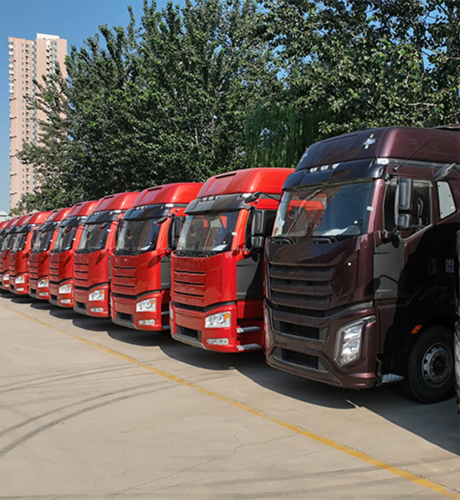

Commercial EV Trucks: Driving the Future of Sustainable Commercial Transportation
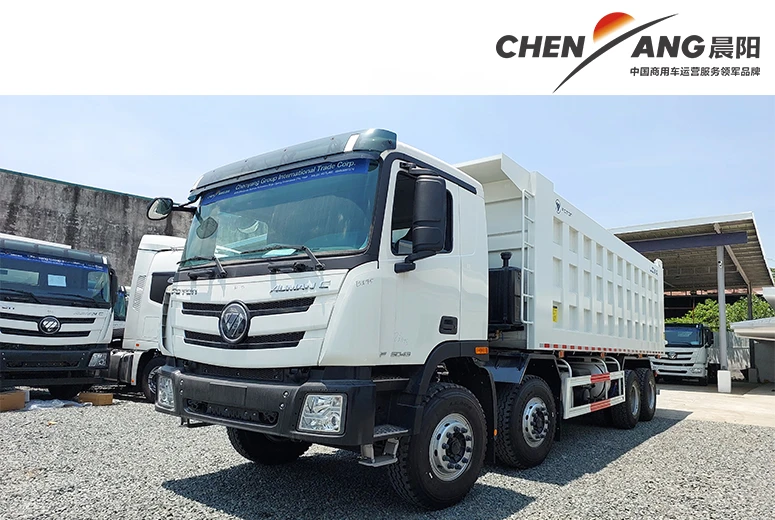
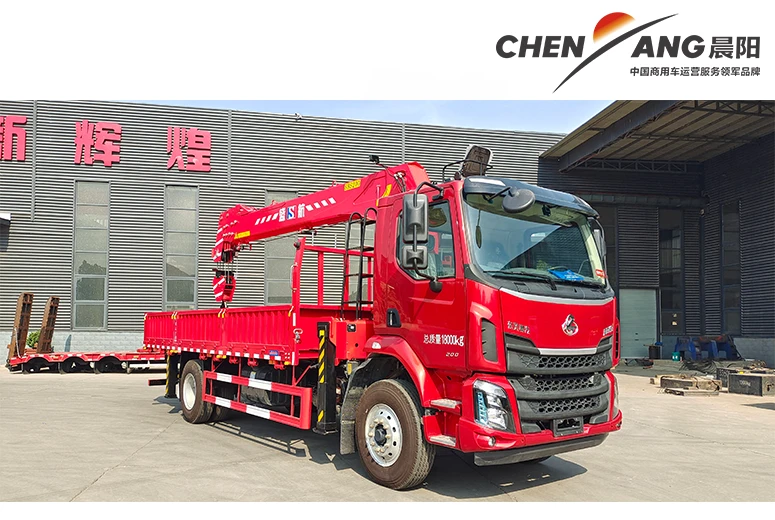
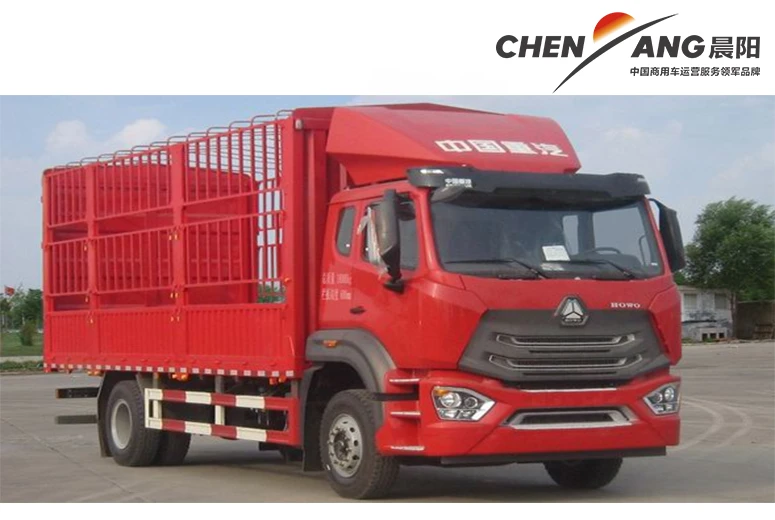
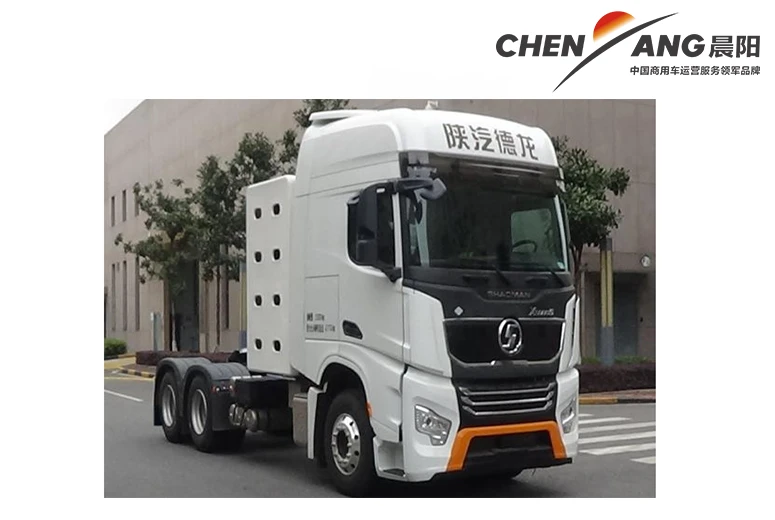
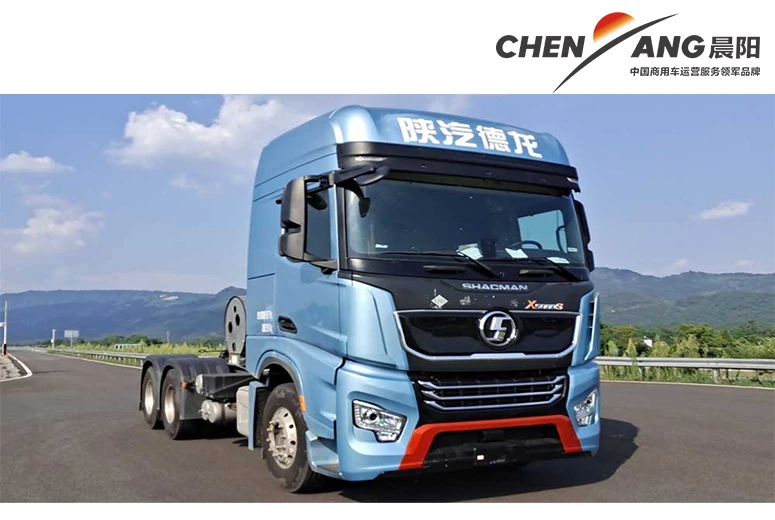
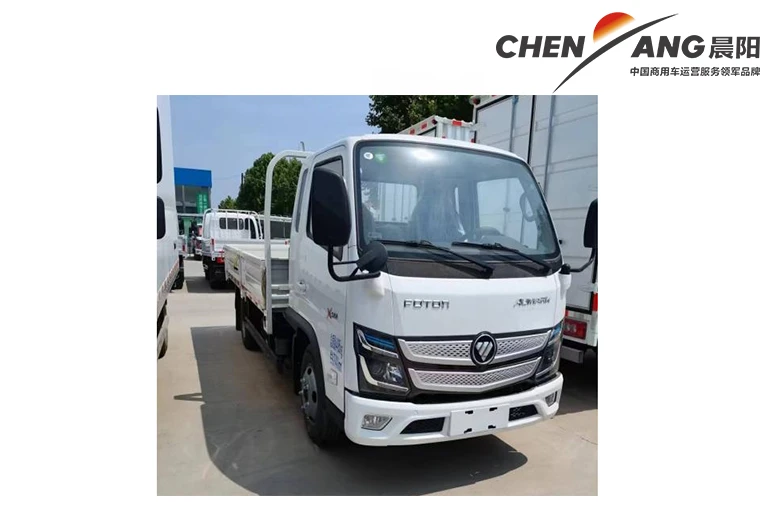
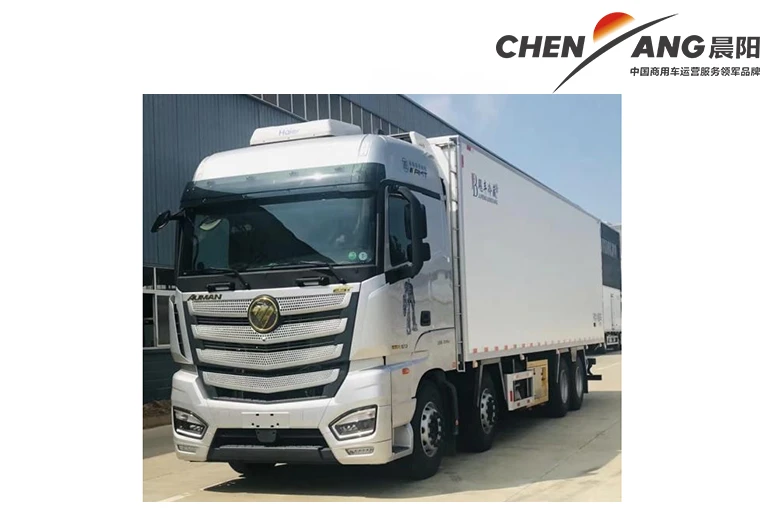
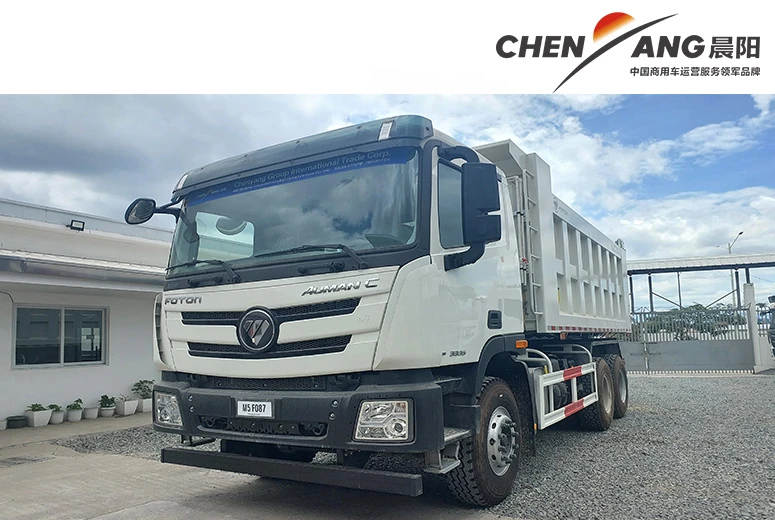
Commercial EV Trucks have emerged as a transformative force in the commercial transportation sector, addressing the growing demand for eco-friendly and cost-effective fleet solutions across logistics, delivery, and industrial fields. Unlike traditional diesel-powered heavy-duty trucks, Commercial EV Trucks operate on electric propulsion systems—typically equipped with high-capacity lithium-ion batteries—that produce zero tailpipe emissions, aligning with global carbon reduction goals. These vehicles retain the core functionality of their fossil-fuel counterparts, such as robust payload capacities (often ranging from 5 to 20 tons) and durable chassis, while adding advantages like lower maintenance costs (no oil changes or engine overhauls) and quieter operation. Enhanced Visibility and Safety Features: LED headlights for excellent visibility are standard in most modern Commercial EV Trucks, ensuring clear illumination during early-morning or night deliveries, while advanced driver-assistance systems (ADAS) like lane-keeping and collision warning further boost operational safety.
Commercial EV Vehicles encompass a broader category that includes Commercial EV Trucks, as well as smaller electric commercial vehicles like electric cargo vans and electric utility trucks, making them versatile for diverse business needs
In urban logistics, for instance, compact Commercial EV Vehicles excel at navigating narrow streets and congested traffic, where their electric motors provide instant torque for quick acceleration and deceleration. Sturdy Construction and Premium Paint Finish: Platinum frame with electrophoretic paint, Corrosion-resistant and durable—these features are increasingly integrated into Commercial EV Vehicles, especially those used in harsh weather conditions (e.g., coastal areas with high humidity or regions with frequent snowfall), as they extend the vehicle’s service life and maintain its aesthetic appeal over time. Many Commercial EV Vehicles also come with modular battery designs, allowing businesses to adjust battery capacity based on daily travel ranges, from short urban routes to longer intercity trips.
Commercial Vehicle EV technology has advanced significantly in recent years, addressing key challenges like charging time and range anxiety that once limited adoption
Modern Commercial Vehicle EV models, including Commercial EV Trucks, now offer fast-charging capabilities—able to reach 80% battery capacity in 30 to 60 minutes using DC fast chargers—and driving ranges of up to 300 miles on a single charge, sufficient for most daily commercial operations. The integration of regenerative braking systems in Commercial Vehicle EVs further enhances efficiency, capturing kinetic energy during deceleration to recharge the battery and reduce energy consumption during stop-and-go urban driving. Additionally, smart battery management systems (BMS) in Commercial Vehicle EVs monitor battery health in real time, optimizing charging cycles and preventing overcharging, which prolongs battery lifespan.
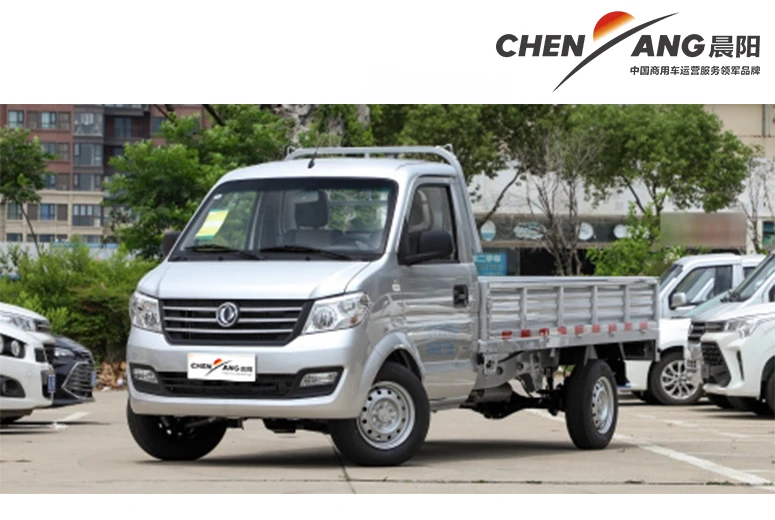
Delivery Van Electric models are a critical subset of Commercial EV Vehicles, tailored specifically for last-mile delivery operations that are essential for e-commerce and retail sectors
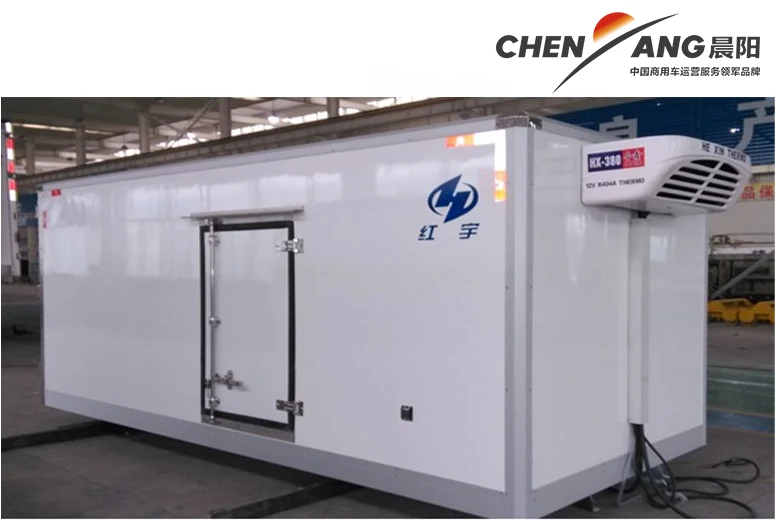
Delivery Van Electric vehicles are designed with compact dimensions to access tight delivery locations (e.g., residential alleyways or busy city centers) and feature customizable cargo spaces—some with foldable shelves or temperature-controlled compartments for food or medical supplies. Like Commercial EV Trucks, Delivery Van Electric models benefit from lower operating costs: electricity costs are typically 50% to 70% cheaper than diesel or gasoline, and their simple electric motors require minimal maintenance. Many Delivery Van Electric units also include features like rearview cameras and parking sensors to simplify maneuvering in crowded areas, complementing the LED headlights’ safety benefits seen in larger Commercial EV Trucks.
Commercial E Vehicle adoption is being driven by both regulatory incentives and shifting business priorities toward sustainability
Governments worldwide offer tax credits, rebates, and access to low-emission zones for businesses that deploy Commercial E Vehicles, including Commercial EV Trucks and Delivery Van Electric models, reducing the upfront cost barrier. For businesses, integrating Commercial E Vehicles into fleets not only cuts long-term operational expenses but also enhances brand reputation, as consumers increasingly prefer companies with eco-friendly practices. Fleet managers also value the predictability of Commercial E Vehicle costs—electricity prices are more stable than fluctuating fuel costs, making budgeting easier compared to traditional commercial vehicles.
In summary, Commercial EV Trucks, along with Commercial EV Vehicles, Commercial Vehicle EV models, Delivery Van Electric units, and Commercial E Vehicles, are reshaping the commercial transportation landscape by combining sustainability, efficiency, and reliability. Commercial EV Trucks lead the charge in heavy-duty applications, while smaller Commercial EV Vehicles and Delivery Van Electric models excel in urban and last-mile scenarios—all supported by advanced Commercial Vehicle EV technology that addresses range and charging concerns. With sturdy construction, enhanced safety features like LED headlights, and growing regulatory support, Commercial E Vehicles are no longer a niche option but a mainstream solution for businesses aiming to reduce their carbon footprint and operational costs. As battery technology continues to improve and charging infrastructure expands, the adoption of these vehicles—especially Commercial EV Trucks—will accelerate, solidifying their role as the future of sustainable commercial transportation.
Commercial EV Trucks FAQs
1. What are the key safety benefits of commercial EV trucks with Enhanced Visibility and Safety Features?
Commercial EV trucks equipped with advanced LED headlights provide superior road illumination, significantly improving driver visibility during night operations and in adverse weather conditions. This lighting technology enhances the detection of obstacles, pedestrians, and road markings, directly contributing to accident prevention and overall road safety for all users.
2. How does the Sturdy Construction and Premium Paint Finish contribute to the vehicle's longevity?
The platinum-grade frame combined with an electrophoretic paint process creates a foundational structure that is highly resistant to rust, scratches, and environmental wear. This multi-layer coating bonds electrochemically to the metal, ensuring exceptional corrosion resistance and a durable finish that maintains its integrity and appearance for years, even under demanding commercial use.
3. In what ways do Enhanced Visibility and Safety Features support operational efficiency?
By integrating high-performance LED lighting systems, these trucks enable safer and more reliable operation during early morning, late evening, or overnight shifts. The improved visibility reduces driver fatigue and stress, allowing for more consistent performance and fewer delays caused by weather or low-light conditions, thereby supporting tighter delivery and logistics schedules.
4. Why is the Sturdy Construction and Premium Paint Finish critical for diverse operating environments?
The corrosion-resistant properties of the electrophoretic paint finish are essential for trucks operating in coastal regions with salty air or in areas that use road de-icing salts in winter. The robust platinum frame can withstand vibrations, heavy loads, and minor impacts, ensuring the vehicle's structural integrity and aesthetic appeal are preserved across varied and challenging terrains.
5. Can you describe the long-term value provided by Enhanced Visibility and Safety Features?
The long-term value lies in the exceptional reliability and reduced maintenance of the LED lighting systems, which have a much longer lifespan than traditional halogen bulbs. This translates to lower replacement costs and less vehicle downtime. More importantly, the sustained high-quality visibility contributes to a stronger safety record, which can positively impact insurance premiums and enhance a company's reputation for responsible operations.
-
2BFY Traction Series Grain Seeder-Agricultural Machinery|Single-Pass Sowing&FertilizationNewsMar.04,2026
-
Discover the Best SUV 8 Passenger Vehicles for Your Family NeedsNewsFeb.24,2026
-
Finding the Ideal Roomy 8 Passenger Vehicles for Comfortable Group TravelNewsFeb.11,2026
-
Discover Spacious and Comfortable Roomy 7 Passenger Vehicles TodayNewsJan.30,2026
-
Analyzing Trends Challenges and Opportunities in the Passenger Vehicles MarketNewsJan.27,2026
-
Passenger Vehicles Meaning: Industrial Component SolutionsNewsJan.26,2026