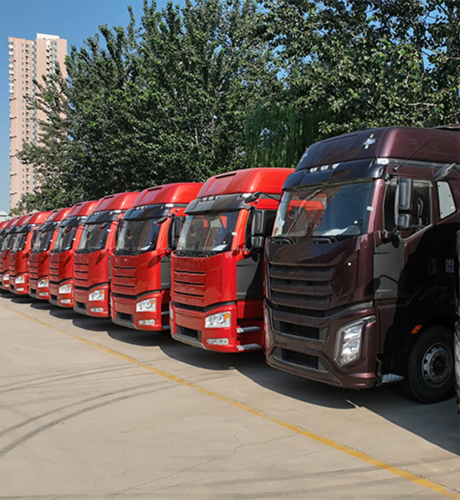

Heavy Commercial Trucks and Their Role in Industrial Transportation
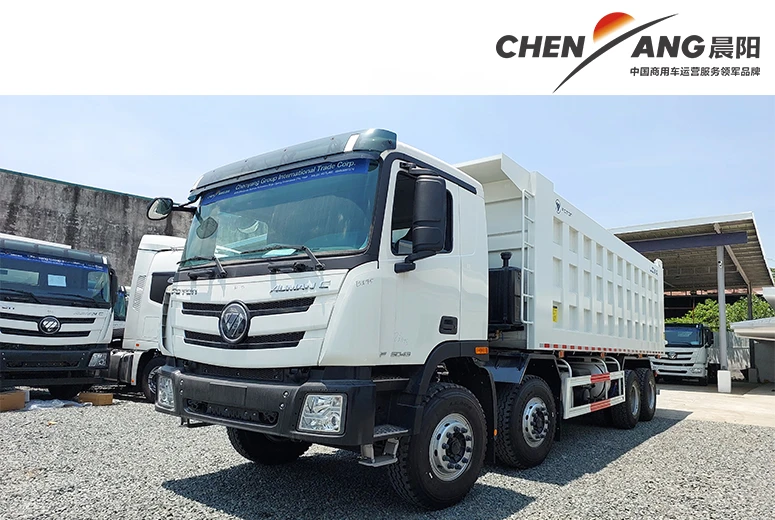
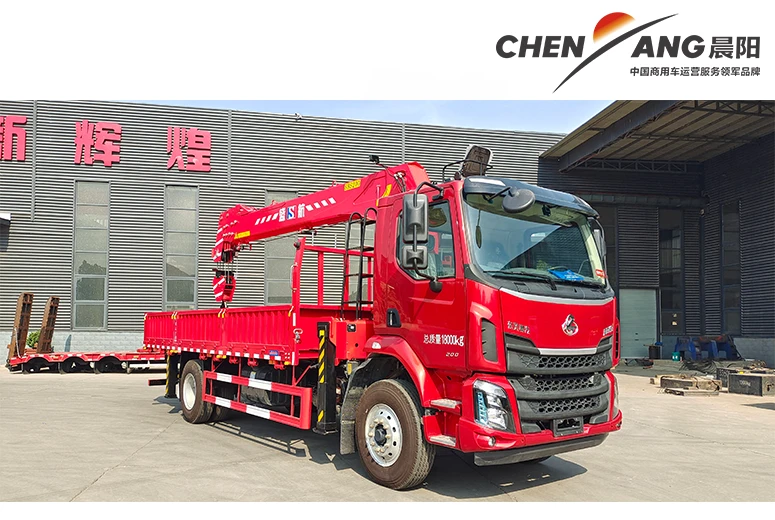
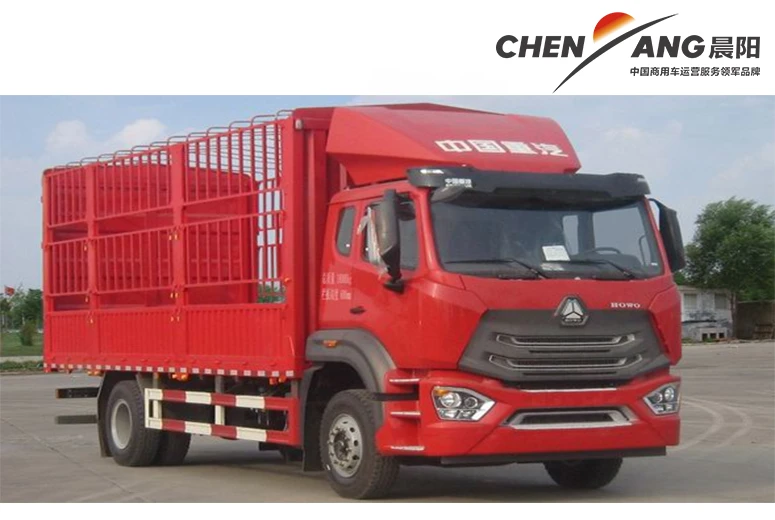
Heavy Commercial Trucks are the backbone of global industrial logistics, designed to transport large volumes of goods—from raw materials like coal and steel to finished products—across long distances and diverse terrains. Unlike light-duty trucks that handle local deliveries, Heavy Commercial Trucks typically have a Gross Vehicle Weight (GVW) exceeding 35,000 kg, with robust chassis and powerful engines to tackle heavy loads. Many models, such as those used in construction and mining, come equipped with specialized features like reinforced suspension systems and large-diameter tires to navigate uneven roads, ensuring reliability even in harsh working conditions. Heavy Commercial Trucks also play a key role in supply chains, connecting manufacturing hubs to distribution centers and ports, making their efficiency and durability critical for maintaining smooth industrial operations.
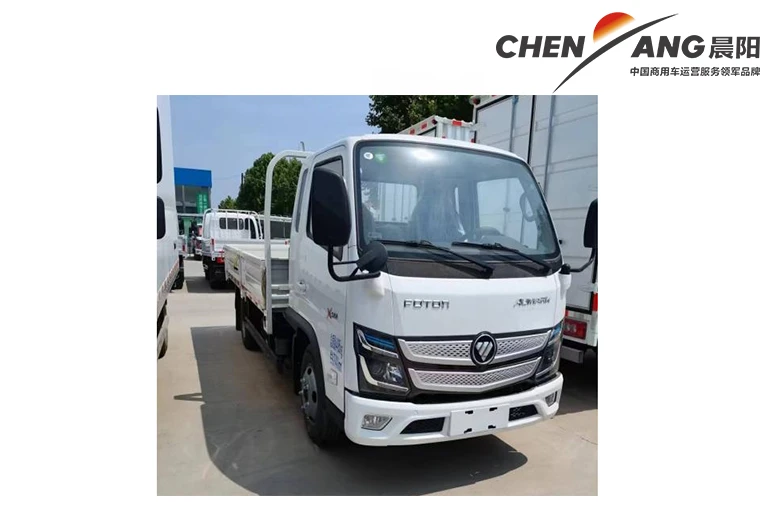
Heavy Commercial Trucks often share design similarities with Heavy Duty Lorries, though the latter term is more commonly used in European markets to refer to large commercial vehicles focused on heavy-load transportation
Heavy Duty Lorries are engineered to meet strict regional regulations for emissions and safety, with modern models integrating advanced technologies like adaptive cruise control and collision avoidance systems to enhance road safety. Like Heavy Commercial Trucks, Heavy Duty Lorries prioritize payload capacity—many can carry up to 80,000 kg when paired with trailers—and durability, using high-strength steel for the cargo body to withstand wear from heavy and abrasive loads. In urban logistics, some Heavy Duty Lorries are modified with smaller turning radii to navigate city streets, bridging the gap between long-haul Heavy Commercial Trucks and local delivery vehicles.
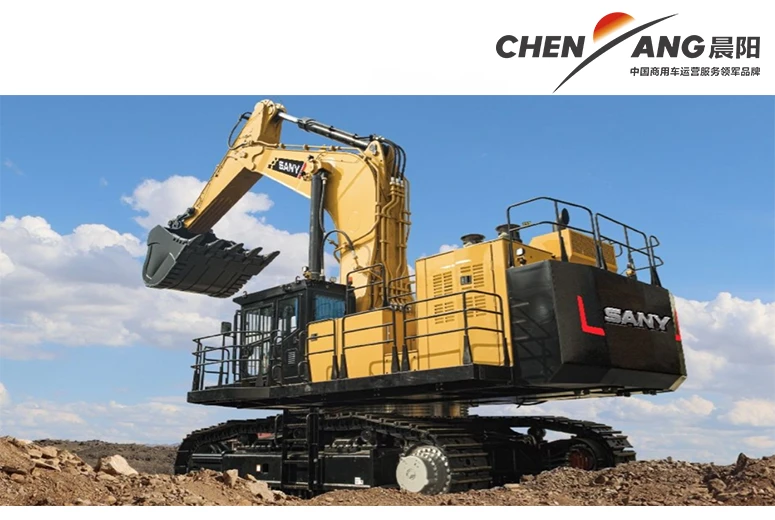
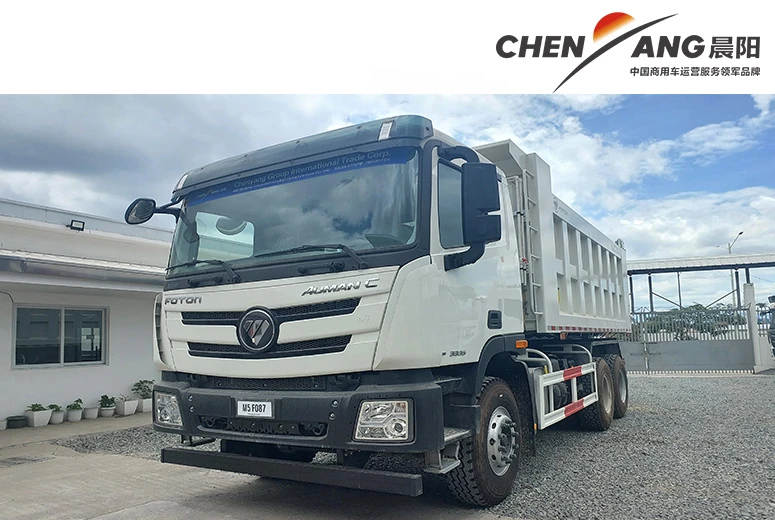
Heavy Duty Off Road Truck is a specialized subset of Heavy Commercial Trucks, built to operate in non-paved environments such as construction sites, mines, and remote rural areas
Unlike standard Heavy Commercial Trucks that are optimized for highway use, Heavy Duty Off Road Trucks feature aggressive tread patterns on their tires for maximum traction, waterproof electrical systems to resist mud and water damage, and elevated ground clearance to avoid obstacles like rocks and potholes. These trucks are often used to transport construction equipment, mining ore, or emergency supplies to areas with no formal road infrastructure. Many Heavy Duty Off Road Trucks also have four-wheel-drive capabilities and reinforced frames, ensuring they can handle extreme weights while maintaining stability on uneven surfaces—a critical requirement for industries like mining and off-road construction.
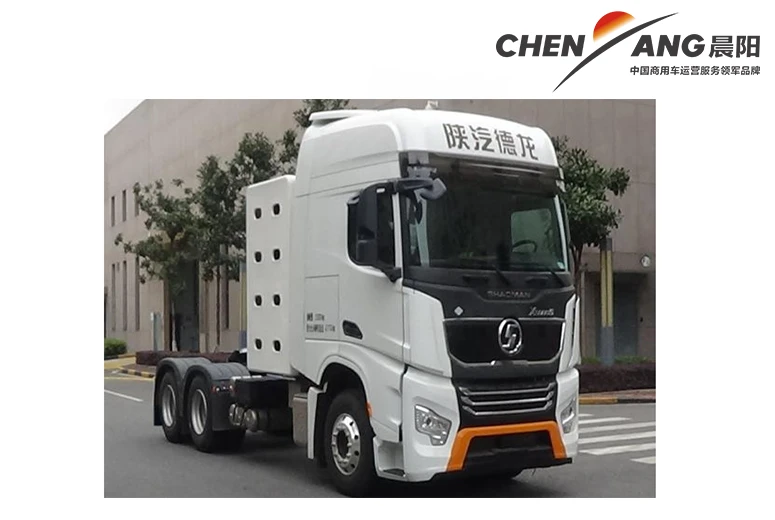
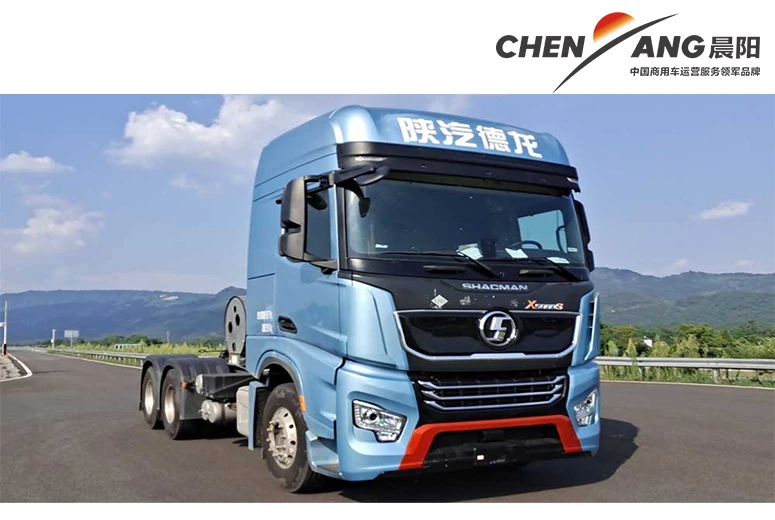
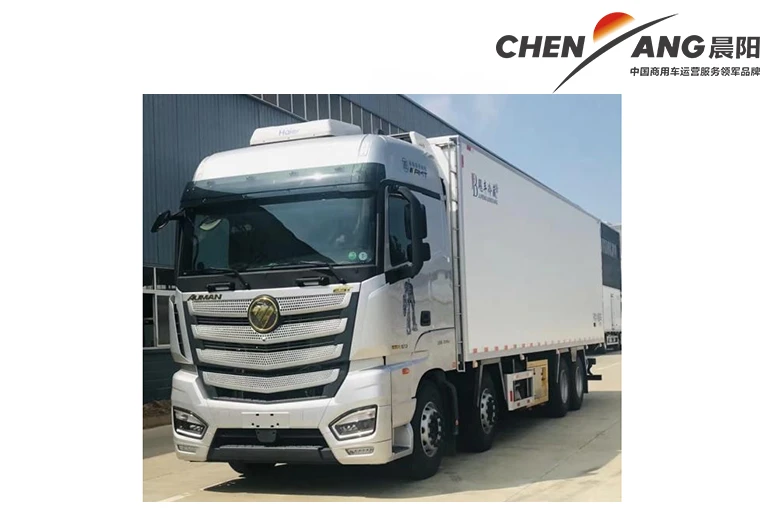
Heavy Electric Trucks are an eco-friendly evolution of Heavy Commercial Trucks, designed to reduce carbon emissions in long-haul and heavy-load transportation
As the demand for sustainable logistics grows, Heavy Electric Trucks are replacing traditional diesel-powered Heavy Commercial Trucks in sectors like retail and manufacturing, offering lower operating costs and zero tailpipe emissions. Modern Heavy Electric Trucks are equipped with large-capacity lithium-ion batteries—some with 500 kWh or more—to support ranges of up to 300 km on a single charge, and they can be paired with high-power charging stations to minimize downtime. Like their fossil-fuel counterparts, Heavy Electric Trucks maintain high payload capacities, with some models capable of carrying 40,000 kg or more, proving that sustainability does not have to come at the cost of performance for Heavy Commercial Trucks.
Heavy Load Truck is another term used to describe Heavy Commercial Trucks that specialize in transporting ultra-heavy cargo, such as industrial machinery, prefabricated buildings, or oversized equipment
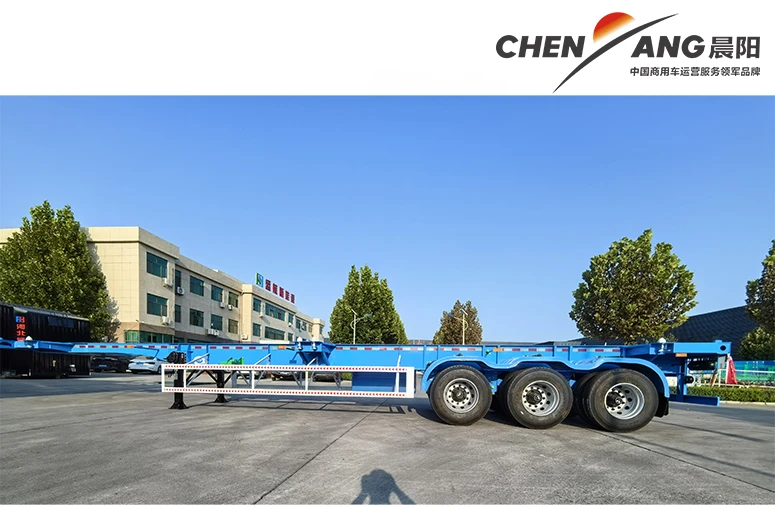
These trucks are distinct from standard Heavy Commercial Trucks due to their modular design—many feature multiple axles (up to 10 or more) to distribute weight evenly and comply with road weight limits. Heavy Load Truck often require special permits to operate, as their size and weight can impact road infrastructure, and they are typically escorted by safety vehicles during transport. To handle extreme loads, Heavy Load Truck use high-torque electric or hybrid engines, as well as hydraulic systems to adjust the cargo bed height for easier loading and unloading. In industries like energy and construction, Heavy Load Truck are indispensable for moving components that cannot be disassembled, making them a key part of large-scale project execution.
In summary, Heavy Commercial Trucks and their specialized variants—Heavy Duty Lorry, Heavy Duty Off Road Truck, Heavy Electric Trucks, and Heavy Load Truck—are essential for powering global industrial and logistics operations. Each type is engineered to meet specific needs, from long-haul highway transport to off-road mining and ultra-heavy cargo delivery, with a shared focus on durability, payload capacity, and adaptability. As the industry shifts toward sustainability, Heavy Electric Trucks are emerging as a viable alternative to traditional Heavy Commercial Trucks, balancing environmental goals with the performance required for heavy-load tasks. Whether navigating city streets, mining sites, or highways, these heavy-duty vehicles remain critical for connecting supply chains, supporting construction projects, and ensuring the efficient movement of goods worldwide.
Heavy Commercial Trucks FAQs
1. What are the performance specifications of the heavy commercial trucks equipped with the Powerful Engine?
The heavy commercial trucks are equipped with the ISGe3-430 engine, which delivers 430 horsepower and 2000 Nm of torque. This provides strong acceleration and hill-climbing capability while maintaining excellent fuel efficiency, making it ideal for long-haul and heavy-load transport.
2. How does the High Payload Capacity of these heavy commercial trucks benefit demanding industries?
With a Gross Vehicle Weight of up to 80,000 kg, these heavy commercial trucks offer a superior payload capacity. This makes them perfectly suited for heavy-duty applications such as mining and large-scale construction projects, where transporting massive loads is a daily requirement.
3. What materials contribute to the Durable Cargo Body of these heavy commercial trucks?
The Durable Cargo Body of these heavy commercial trucks is constructed from high-strength Q345 steel. It features a 10mm thick bottom plate and 8mm thick side walls, providing exceptional resistance to impact, abrasion, and deformation, even under the most strenuous loading and unloading conditions.
4. What features ensure a Comfortable Cabin for drivers in these heavy commercial trucks?
The Comfortable Cabin in these heavy commercial trucks includes a flat-roof design, a single bed, and an airbag-equipped driver seat. For convenience and comfort, it also comes with electric windows, an MP3 player, and air conditioning, creating a pleasant environment for long journeys.
5. How do the Large Fuel Tank and User-Friendly Design enhance the practicality of these heavy commercial trucks?
These heavy commercial trucks feature a Large Fuel Tank with a 350-liter aluminum capacity for extended range and fewer stops. The User-Friendly Design includes a manual cabin tilt, electric windows, and manual mirrors, offering straightforward and reliable operation for drivers in their daily work.
-
2BFY Traction Series Grain Seeder-Agricultural Machinery|Single-Pass Sowing&FertilizationNewsMar.04,2026
-
Discover the Best SUV 8 Passenger Vehicles for Your Family NeedsNewsFeb.24,2026
-
Finding the Ideal Roomy 8 Passenger Vehicles for Comfortable Group TravelNewsFeb.11,2026
-
Discover Spacious and Comfortable Roomy 7 Passenger Vehicles TodayNewsJan.30,2026
-
Analyzing Trends Challenges and Opportunities in the Passenger Vehicles MarketNewsJan.27,2026
-
Passenger Vehicles Meaning: Industrial Component SolutionsNewsJan.26,2026