
Small Engine Parts for Tillers
Maintaining and repairing tillers requires access to quality components that ensure reliable performance and longevity in agricultural and gardening applications. The availability of proper parts directly impacts operational efficiency and equipment durability. This guide examines the market for small engine parts, explores the advantages of remanufactured engines, and discusses the benefits of rebuilt engines for tiller maintenance and repair. Understanding these options helps equipment owners make informed decisions about maintaining their tillers, balancing cost considerations with performance requirements and equipment longevity.
Sourcing quality small engine parts for tiller maintenance
Finding reliable small engine parts is essential for effective tiller maintenance and repair. The right components ensure proper equipment function and prevent further damage to the engine system.
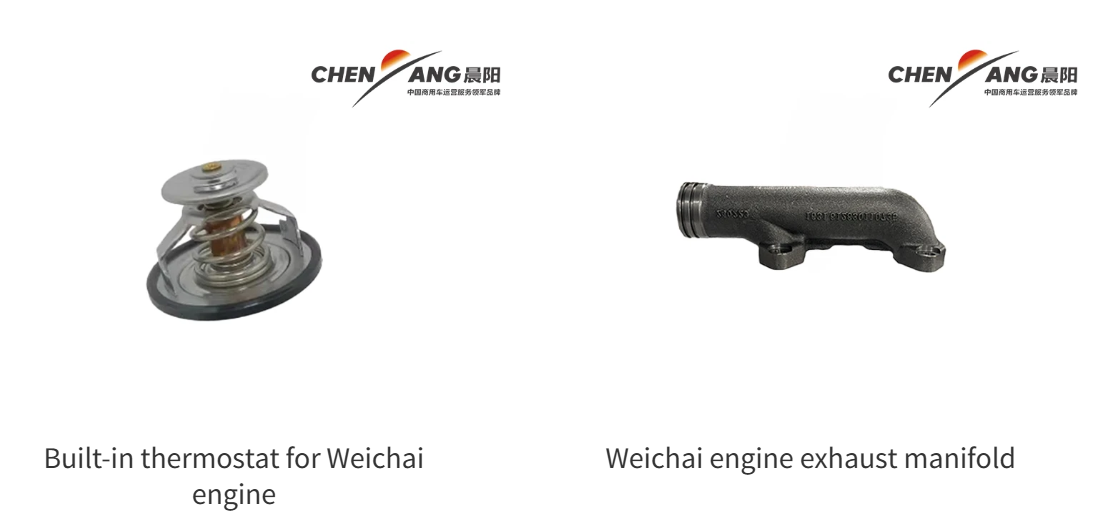
- Genuine vs. Aftermarket Parts Selection:Small engine parts are available as genuine OEM components or aftermarket alternatives. Genuine parts offer exact specifications and guaranteed compatibility but typically come at a higher cost. Aftermarket parts provide cost savings and often comparable quality, though careful selection is necessary to ensure proper fit and performance. For critical components like pistons, rings, and bearings, quality verification is essential regardless of the source to maintain engine reliability and performance.
- Common Replacement Components: Essential small engine parts for tillers include carburetors, spark plugs, air filters, fuel lines, and ignition coils. These components experience regular wear and require periodic replacement to maintain optimal engine performance. Understanding the specific part numbers and compatibility requirements for your tiller model ensures correct selection and prevents installation issues. Regular maintenance using quality small engine parts extends equipment life and prevents costly repairs.
Advantages of remanufactured engines for tiller applications
Remanufactured engines provide a cost-effective solution for tillers requiring major engine work or complete power unit replacement.
- Quality Assurance Processes: Remanufactured enginesundergo comprehensive rebuilding processes that include complete disassembly, thorough cleaning, and inspection of all components. Worn parts are replaced with new small engine parts, and critical dimensions are restored to original specifications. The reassembly process follows precise engineering standards, and finished engines undergo testing to ensure proper performance before sale. This rigorous process provides reliability comparable to new engines at a significantly lower cost.
- Environmental Benefits: Choosing remanufactured engines supports sustainability by reducing waste and conserving resources. The remanufacturing process extends the life of engine blocks and other durable components that would otherwise be discarded. This approach requires less energy and raw materials compared to manufacturing new engines, making it an environmentally responsible choice for tiller owners concerned about their ecological impact.
Benefits of rebuilt engines for equipment restoration
Rebuilt engines offer another alternative for tiller restoration, providing functional reliability at various quality levels depending on the rebuilding process used.
- Cost-Effective Restoration Option: Rebuilt enginestypically offer the most affordable solution for tiller engine replacement. The rebuilding process focuses on replacing only the components showing significant wear, which reduces costs while restoring engine function. This approach makes rebuilt engines accessible for users with budget constraints or for older tillers where extensive investment may not be justified.
- Flexibility in Component Selection: The rebuilding process allows for customization based on specific needs and budget considerations. Customers can choose the quality level of replacement small engine parts, opting for premium components for critical areas and standard parts for less critical applications. This flexibility enables tailored solutions that balance performance requirements with cost considerations for tiller applications.
Rebuilt Engines FAQS
Q: What’s the main difference between Rebuilt Engines and Remanufactured Engines?
A: The key difference lies in the level of disassembly, part replacement, and quality standards. Rebuilt Engines are typically disassembled, inspected, and repaired with new or refurbished parts only for components that are worn or damaged (e.g., faulty pistons or gaskets). The process varies by shop and focuses on making the engine functional again, with fewer standardized steps. In contrast, Remanufactured Engines undergo a full teardown to individual parts—every component is cleaned, inspected, and either replaced with OEM (original equipment manufacturer) parts or restored to meet factory specifications. Remanufactured engines also go through rigorous testing (e.g., pressure tests, dyno tests) to match the performance of a new engine, often coming with longer warranties than rebuilt engines.
Q: How do I know which Small Engine Parts to replace when my lawnmower or generator stops working?
A: To identify the right Small Engine Parts for repair, start with troubleshooting the issue. For example, if your lawnmower won’t start, check common culprits first: the spark plug (look for corrosion or wear—replace if the electrode is damaged), air filter (replace if dirty, as clogs restrict airflow), or fuel filter (replace if it’s clogged with debris). For a generator that runs but has no power output, inspect the carburetor (clean or replace if it’s gummed up from old fuel) or the ignition coil (test with a multimeter to ensure it’s sending voltage). Always refer to your equipment’s owner’s manual— it lists part numbers and diagrams specific to your model, so you can buy exact matches. If you’re unsure, take the old part to a small engine parts store for comparison, or describe the issue to a specialist for guidance.
Q: What kind of warranty can I expect when buying Rebuilt Engines for my vehicle?
A: Warranties for Rebuilt Engines vary by the builder (independent shop vs. professional rebuilder) but typically range from 6 months to 2 years, with some offering limited mileage coverage (e.g., 12,000–24,000 miles). Independent shops may offer shorter warranties (6–12 months) because their processes are less standardized, while specialized rebuilder companies often provide longer coverage (1–2 years) due to stricter quality controls. It’s important to check what the warranty covers: most cover defects in parts and labor related to the rebuild, but exclude damage from improper installation, lack of maintenance, or misuse. Always get the warranty in writing, and ask about transferability (if you sell the vehicle) and any requirements (e.g., using specific oil or getting regular service) to keep the warranty valid.
Q: Are Remanufactured Engines a cost-effective alternative to buying a new engine for an older car?
A: Yes, Remanufactured Engines are often a cost-effective choice for older cars, especially if the vehicle is still in good condition (e.g., solid body, functional transmission) but has a failed engine. A new engine can cost \(4,000–\)10,000 or more, depending on the make and model, while a remanufactured engine typically ranges from \(1,500–\)4,000 (plus installation). Remanufactured engines also save time compared to rebuilding an engine locally—they’re ready to install, so you don’t wait weeks for parts and labor. Additionally, their factory-level performance and longer warranties (often 2–3 years) mean you get reliability close to a new engine without the high price tag. For older cars where a new engine isn’t financially worth it, a remanufactured engine can extend the vehicle’s life by 5–10 years at a fraction of the cost of buying a new car.
Q: Can I install Small Engine Parts myself, or do I need a professional mechanic?
A: Whether you can install Small Engine Parts yourself depends on the part’s complexity and your mechanical experience. Simple parts like spark plugs, air filters, fuel filters, or starter ropes are easy for beginners to replace—most require only basic tools (screwdrivers, wrenches) and follow step-by-step instructions in the owner’s manual. For example, replacing a lawnmower spark plug takes 10–15 minutes: disconnect the spark plug wire, remove the old plug with a socket wrench, and screw in the new one to the recommended torque. However, more complex parts like carburetors, ignition coils, or crankshafts require advanced skills—these components need precise alignment or tuning (e.g., adjusting carburetor fuel mixture) to avoid damaging the engine. If you’re unsure, or if the part is critical to engine function, it’s best to hire a professional small engine mechanic—they have the tools and expertise to ensure proper installation and prevent costly mistakes.
-
2BFY Traction Series Grain Seeder-Agricultural Machinery|Single-Pass Sowing&FertilizationNewsMar.04,2026
-
Discover the Best SUV 8 Passenger Vehicles for Your Family NeedsNewsFeb.24,2026
-
Finding the Ideal Roomy 8 Passenger Vehicles for Comfortable Group TravelNewsFeb.11,2026
-
Discover Spacious and Comfortable Roomy 7 Passenger Vehicles TodayNewsJan.30,2026
-
Analyzing Trends Challenges and Opportunities in the Passenger Vehicles MarketNewsJan.27,2026
-
Passenger Vehicles Meaning: Industrial Component SolutionsNewsJan.26,2026